Conquer Mars
This is how humans can build life from nothing on Mars
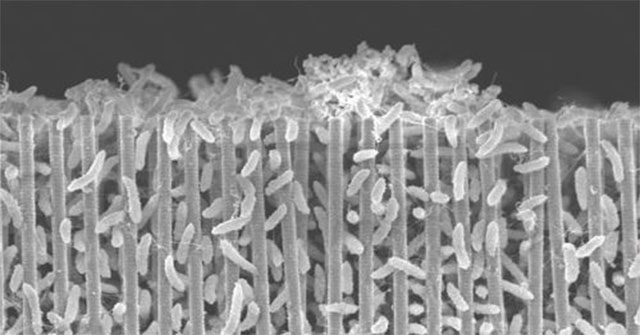
Scientists from the University of California have built a nano power plant that uses sunlight to turn carbon dioxide and water into new organic molecules.
Browse ScienceInfo articles and explainers related to Life On Mars.
117 published items.
Scientists from the University of California have built a nano power plant that uses sunlight to turn carbon dioxide and water into new organic molecules.
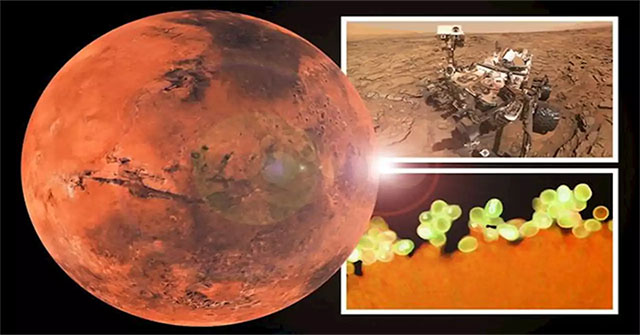
Curiosity rover, NASA's self-propelled Mars exploration robot has discovered a form of organic matter similar to that found in fungi and ancient microorganisms on Earth.
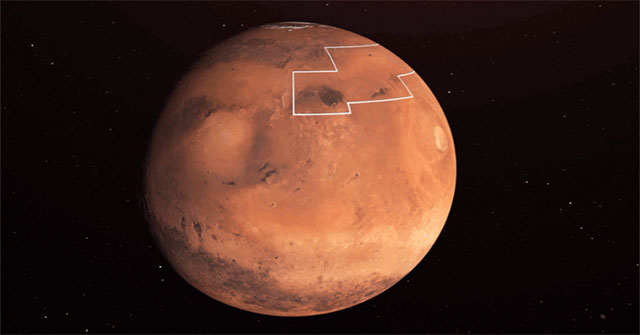
Scientists are hypothesizing that if there was life on Mars, it would likely be hidden inside deep underground caves.
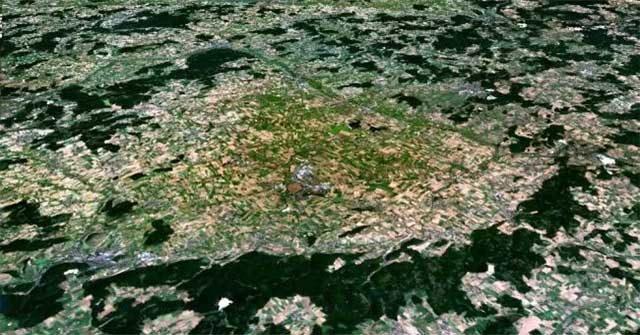
An ancient town in Germany was accidentally built by humans on land with alien characteristics like the giant Jezero life pit in Mars.

Scientists from the US space agency (NASA) say that the Mars 2020 self-propelled robot will not only look for traces of ancient life but also pave the way for missions t…

Jim Green, NASA's chief scientific officer, said they were nearing the point of discovering life on Mars, but he feared that the world was not ready for such a 'revoluti…

According to Digital Trends, the supervising team of the two missions Mars 2020 (NASA) and ExoMars (Europe and Russia) have had an field trip to an area in Australia.
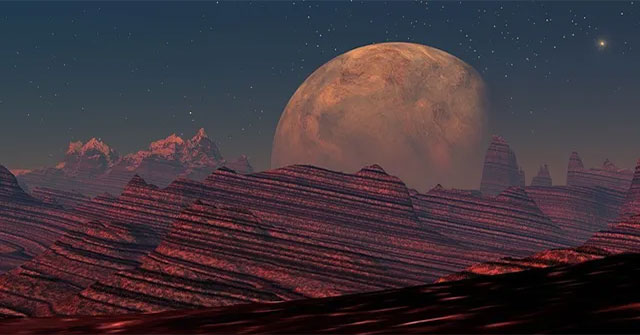
Physicist Brian Cox said, Mars now looks like a rock desert, which may have been a real paradise with waterfalls and rivers.

While many people are anxious to think of people living on Mars for the next few decades, experts will bury 'cold water'.
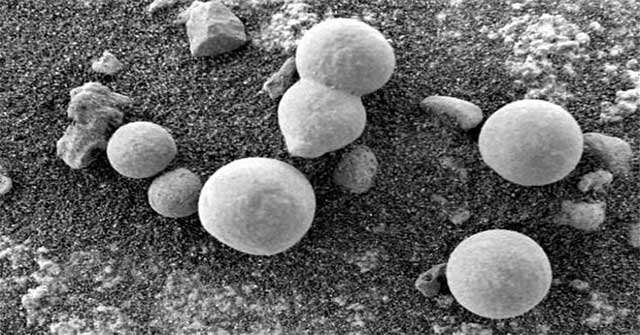
Many scientists believe that some images of the Martian surface are evidence that life exists on the Red planet.
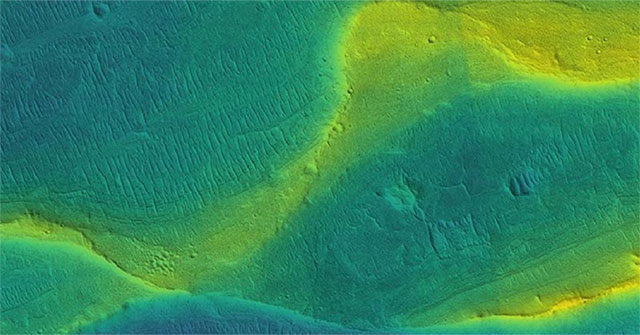
The building blocks of life brought by meteors, the atmosphere is thick enough to protect the germ from radiation, the vast river system ... has been present in Mars.

It turns out that on Mars there are many layers of methane constantly spraying from the craters.
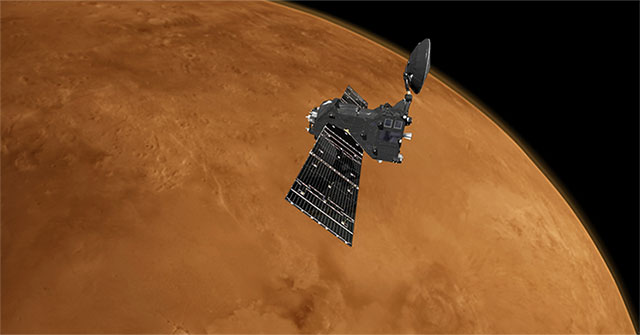
So far, the presence of methane on the surface and in the atmosphere of Mars as well as the sources of emissions of gas is still a mystery.
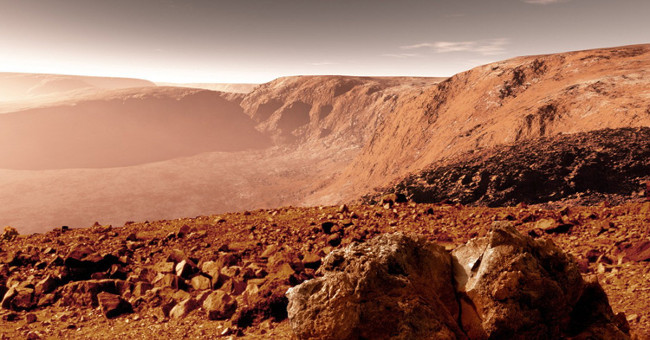
Scientists have discovered bacteria in the world's driest desert and this suggests that there may be life on Mars.

Using a laser device at the Gale crater on Mars, Curiosity autonomous robots discovered rocks containing manganese oxide, a compound that requires oxygen to be formed.